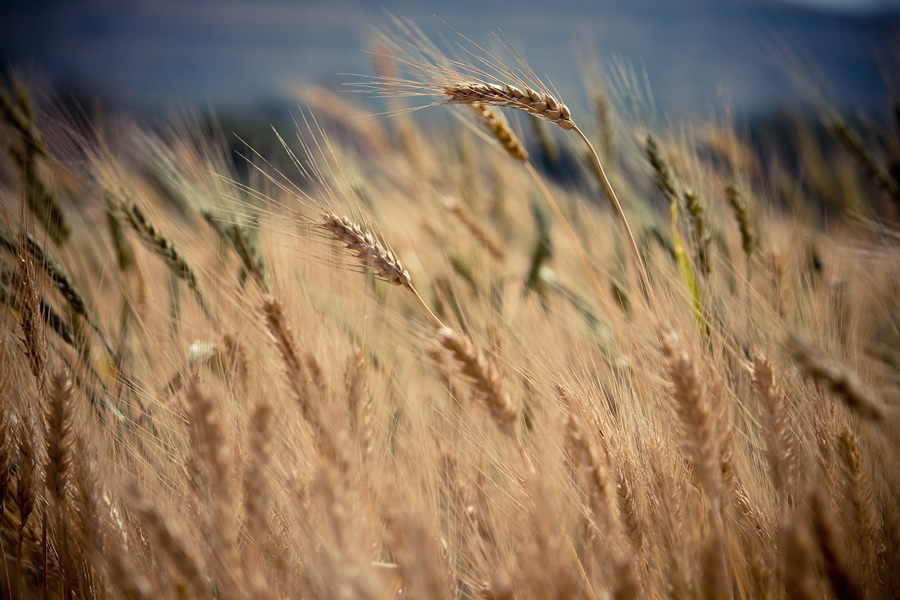
The Weeds among the Wheat
by Fr. Jerome Cayetano | 07/19/2026 | The WORD in other wordsPerhaps one of the reasons why Jesus taught in parables is because He wants to uncover the secrets of the Kingdom of God to the ordinary and simple people of His time. And once they get the lesson, they would be able to put it in their lives. Last Sunday, we heard about the parable of the seed. Today’s Sunday pericope or account gives us a colorful parable of the weeds among the wheat.
Let us then zero in on this parable. The Kingdom of heaven refers to the “rule or reign of God” in the hearts of people. It could also be the whole universe. The man who sows good seed in his field is God. The enemy who sows weed is the devil. The slaves of the household are the “angels.” “Harvest time” could be either interpreted as the “death of the person” or the “end of the world”. The weeds that are collected and burned, that is, evil men, are thrown into the fire of hell. The wheat gathered into the barn means “good people” are gathered into the Kingdom of God.
This parable teaches us the following lessons: First, it teaches patience and tolerance in the world where good and evil exist. In reality, it is very difficult to differentiate the weed from the wheat, most especially when they are thinly close with each other. Our world is composed of good and bad/evil people. They co-exist with each other. The bad ones influence the good ones, while the good ones sometimes influence the evil or bad ones to become good or change their hearts. To be patient means that we suspend our judgement of evil people and give a chance to change themselves. However, we should encourage and inspire people in doing good, but we should not be blind to the evil and sin around us. Tolerance means we allow people to commit mistakes without condoning their evil and sinful ways. Since we are responsible to each other, we must correct what is wrong and never abet them. Evil prevails when good people do not speak against it or when good people are blind to or ignore sin and evil.
Second, it teaches that final judgement awaits us. While Jesus’ approach might be too passive and tolerant, one thing is sure—evil deeds (sins) will never go unpunished. Nothing will escape the justice of God. Good deeds will be rewarded. There is a set of time of reckoning or judgement for each one of us. When we die, we face God on our personal judgement. And at the end of time, we will face our general judgement. This judgement is final wherein bad and evil people are thrown into the fire of hell, and good people are welcomed into heaven. God alone is our judge for He is all holy. It is the prerogative of God to judge us. And we don’t have the right to judge or condemn people, but pray for their conversion.
Third, it teaches us about the mercy and forbearance or patience of God in delaying His judgement on us. God could pull the weeds right away so that they could not choke the wheat. That is not how God operates in the world. If God would deal with our sins and evil immediately, where do you think we will end up? When God delays His punishment, He is giving us a chance to rectify or change ourselves to become better persons. Who knows, the weeds can even be transformed into wheat. God’s patience and forbearance are geared towards our salvation. We should have the same patience and forbearance with each other, giving a chance for evil people to change. And if we are already good, let us ask the Lord to give us the grace to be consistently good until the end, and hope that God will reward us.
BACK TO LIST